
Posted by molly mutt europe on 03.06.26
Sustainable dog accessories: what eco-friendly really means
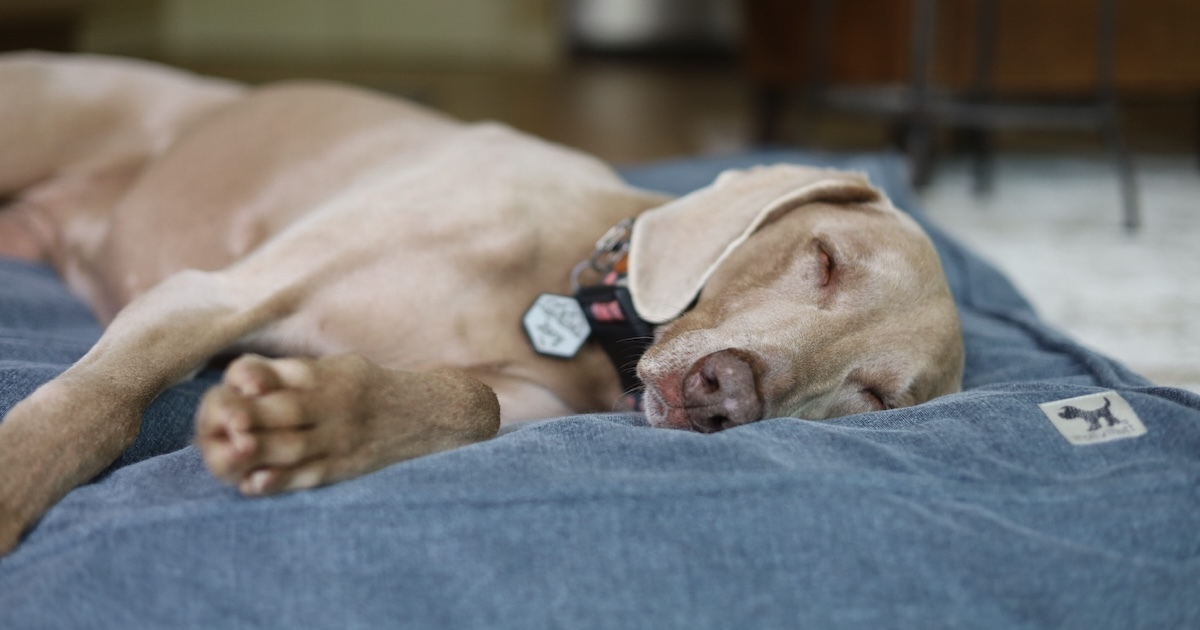
"Eco-friendly." "Natural." "Sustainable." These words appear on a lot of pet (and not only pet) product packaging. In the EU, manufacturers should comply with regulations and only state that a product is eco-friendly, natural or sustainable if it really is.
Nonetheless, the sustainable pet product market is growing fast — and greenwashing is growing with it. If you care about what your dog sleeps on, chews, or wears, knowing how to read a product description or label is more useful than trusting the words on the front of the box.
What does eco-friendly actually mean — and what it doesn't
The words "eco-friendly", "natural", "green", or "planet-conscious" are often used as marketing terms, and they may appear on any product regardless of how it was made, what it contains, or where it ends up.
A genuinely sustainable product usually involves at least one of three things: materials that, in contact with them, don't harm the environment or the people (and animals), manufacturing practices that minimise waste and chemical use, or a design that extends the life of existing materials rather than creating new ones.
The best products involve all three. Most products claiming sustainability address only one — and not always honestly.
The textile waste problem nobody talks about
Textile waste is one of the most underreported environmental problems — and one of the largest. According to the Ellen MacArthur Foundation, the equivalent of a rubbish truck full of clothes is sent to landfill or incinerated every second globally. Most of that is clothing — and a growing share comes from pet products, including beds, blankets, and accessories that wear out, get destroyed, or simply fall out of fashion.
The average foam-filled dog bed lasts between one and two years before it ends up in the bin. Consider that half the dog population in Europe could use one — roughly 45 million — and the cycle of replacement represents an enormous and largely invisible waste stream.
What can one person do about that? Not much, on its own. But here's the thing about individual choices: what starts as a grain of sand becomes a dune. When enough people stop buying products designed to be thrown away and start choosing ones designed to last — or better, ones that give existing materials a second life — the cumulative effect is real.
Upcycling: the most sustainable thing you can do
Before any certification, before any material choice, the most genuinely sustainable option is always to use what already exists.
This is the idea behind filling a dog bed with old clothes. Not buying new filling, not purchasing a product that ships with foam or synthetic fibre packed inside — using the jumpers, jeans, and towels that are already in your home, already waiting for somewhere to go, but otherwise headed for the bin.
The clothes you have worn for years are, in a sense, the most sustainable material available to you. They already exist. They have already been produced, transported, and used. Putting them inside a dog bed instead of a landfill bag doesn't just reduce waste — it closes a loop that most of us leave open without thinking about it.
It also, as it happens, makes for a better bed. But that's another story — if you want to understand why your dog actually prefers sleeping on your old clothes, we have written about the science behind it here.
What should you look for in a product description?
When a product claims to be sustainable, here is what actually matters:
Specific materials, not vague claims. "Cotton canvas" is a verifiable material. "Natural fibres" is not. "100% organic cotton" certified to a recognised standard is the most meaningful claim of all — it tells you the fibre was grown without synthetic pesticides or fertilisers and processed without harmful chemicals.
Recognised certifications, not invented ones. When it comes to textiles, two certifications are worth knowing:
Oeko-Tex Standard 100 tests the finished product for over 100 harmful substances — including pesticides, heavy metals, formaldehyde, and allergenic dyes. A product that carries this certification has been independently tested and verified as safe for human (and animal) skin contact. It doesn't say anything about how the material was grown, but it does tell you the final product won't harm your dog or cat.
GOTS — the Global Organic Textile Standard — goes further. It covers the entire production chain, from the field where the cotton was grown to the factory where the fabric was made. A GOTS-certified product must use organic fibres and meet strict environmental and social criteria at every stage of production. It is the most rigorous certification in the textile industry.
A design that lasts. A sustainable product isn't just made from better materials — it's designed to be used for years, not months. Washable covers, replaceable components, and durable construction are sustainability features even when they're not labelled as such.
Honest limitations. No product is perfectly sustainable, and brands that claim otherwise are usually oversimplifying. Look for brands that tell you specifically what their product is certified for, what it contains, and — importantly — what it doesn't yet do. That kind of transparency is a better signal than any marketing claim.
Why does this matter more for pets than you might think?
Our dogs spend a significant part of their daily life in direct contact with their bed — nose pressed into it, skin against the fabric, breathing whatever it releases into the air around them. Cats are the same. It's not an occasional exposure; it's hours every day, for years.
Synthetic materials and poorly processed fabrics can off-gas volatile organic compounds, contain residual dye chemicals, or cause contact irritation — particularly in dogs with sensitive skin or existing allergies. That "new product smell" that some pet beds arrive with is often exactly that: chemical residue from the manufacturing process.
This isn't a reason to panic about every product you have ever bought. But it is a reason to think about certifications like Oeko-Tex as a practical safety consideration, not just an environmental one. A tested, certified product isn't just better for the planet. It's safer for the animal sleeping on it.
The practical checklist
Before buying any pet accessory marketed as sustainable, ask:
Does it carry a recognised certification (Oeko-Tex, GOTS) or just a vague label?
Is the material specifically named and verifiable?
Is it designed to last — washable, replaceable, durable?
Does the brand tell you what that product doesn't do as well as what it does?
Can any part of it give existing materials a second life?
No product will tick every box. But asking the questions is how we change things — one decision at a time.